Roof Repair Checklist: What You Should Know Before Starting
When it comes to maintaining your home, the roof is one of the most critical areas to keep in top condition. A damaged or aging roof can lead to significant problems, including leaks, structural issues, and costly repairs. Before jumping into a roof repair project, it's essential to understand what needs to be addressed, how to prepare properly, and what steps are necessary to ensure a successful outcome. This roof repair checklist offers a detailed guide to help homeowners plan effectively and avoid common pitfalls.
Assess the Condition of Your Roof
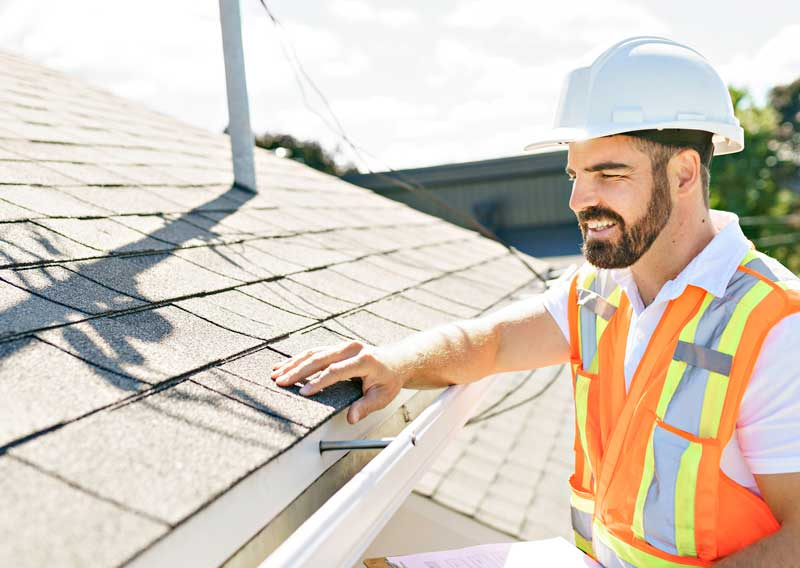
Before you begin any repair work, start by thoroughly assessing the condition of your roof. Look for visible signs of damage such as missing or cracked shingles, sagging sections, water stains on ceilings or walls, and signs of mold or mildew. If you’re able to access your attic, check for daylight peeking through the roof boards and any damp insulation. In older homes, the roofing materials might also be approaching the end of their lifespan, even if there is no significant damage yet. It’s important to evaluate whether a simple repair will suffice or if a more extensive replacement is required.

Understand the Cause of the Damage
Knowing what caused the roof damage can help you determine the right course of action. In some cases, damage may result from a recent storm, fallen tree limbs, or clogged gutters causing water to back up under the shingles. Other times, it may be due to aging materials or poor installation. Understanding the underlying cause will help prevent the same issue from recurring after the repair is complete. For example, if water damage is a recurring issue, it might be time to look at improving the roof’s drainage system or addressing ventilation problems.
Choose the Right Time for Repairs
Timing can play a big role in how smoothly a roof repair project goes. Ideally, you should schedule repairs during a period of mild and dry weather. Summer and early fall are often the best times for roof work, as the weather is more predictable and roofing materials adhere better under moderate temperatures. Attempting repairs in wet or icy conditions not only increases the risk of injury but also makes it harder for materials to seal properly. Planning ahead and checking weather forecasts will help ensure the work proceeds without unexpected delays.
Research Materials and Tools
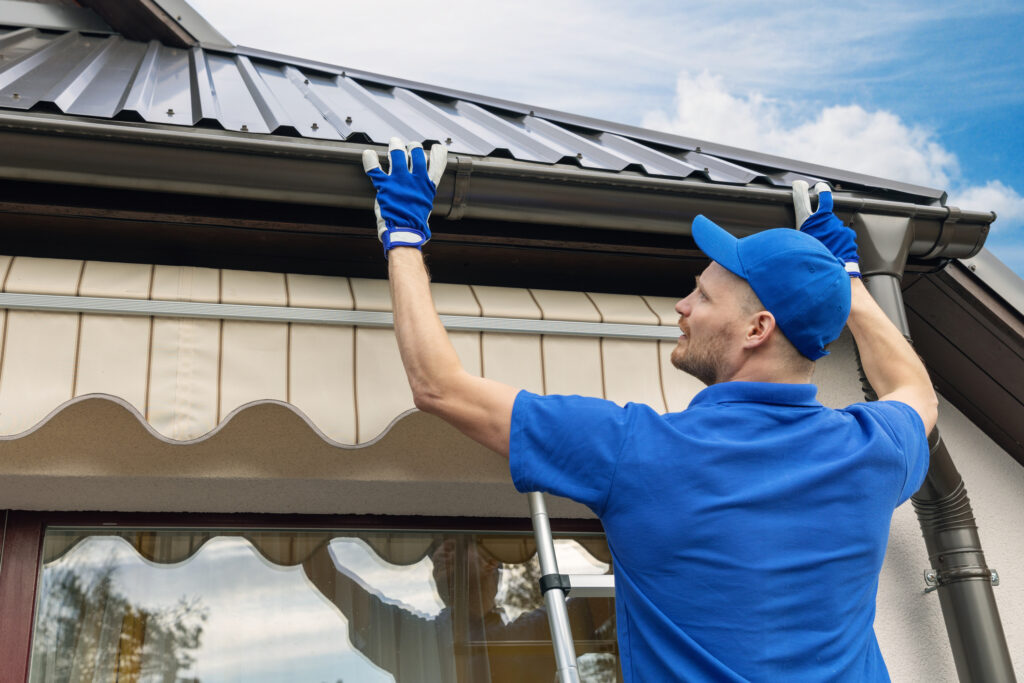
Once you’ve identified the damage and determined the repair schedule, it’s time to research the materials and tools needed for the job. Make sure you use high-quality, weather-resistant materials that match the existing roofing as closely as possible. Consistency in material not only ensures a better aesthetic but also maintains the integrity of the roof. If you’re handling the repairs yourself, make sure you have all necessary safety equipment, including harnesses, ladders, gloves, and non-slip shoes. If the repair is beyond your skill level, hiring a professional is a wise choice to avoid accidents and ensure lasting results.
Determine Your Budget
Roof repairs can range from minor fixes to significant investments depending on the extent of the damage. It’s crucial to set a realistic budget before starting the project. Take into account the cost of materials, tools, and potential labor if you plan to hire a contractor. Also, consider any additional expenses that might arise, such as structural repairs or interior restoration due to leaks. Getting multiple quotes from reputable roofing professionals can give you a better idea of the expected costs and help you plan accordingly.
Check Local Building Codes and Permits
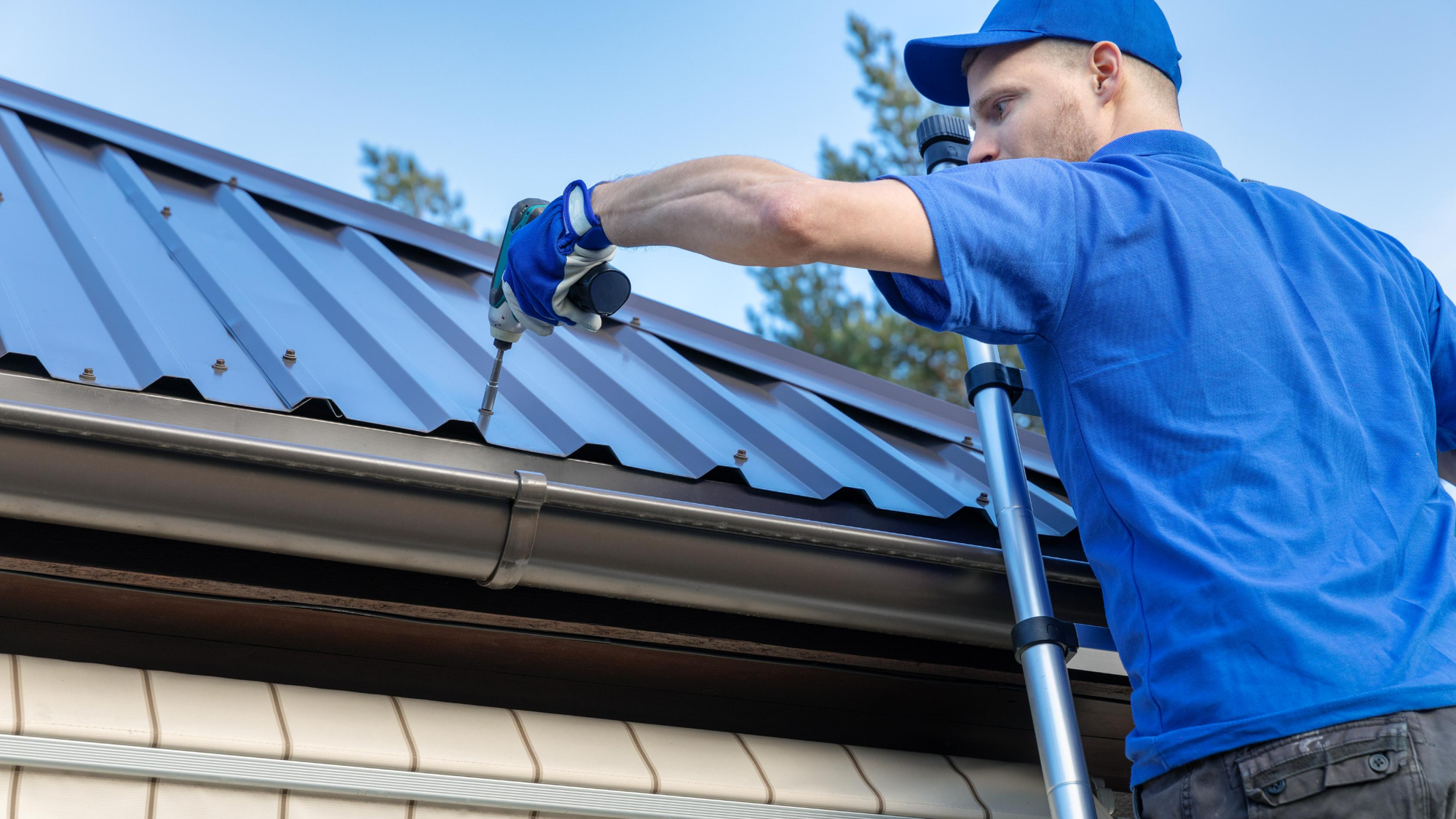
Before you make any alterations to your roof, it's essential to understand your local building codes and regulations. Some areas require permits for roof repairs or replacements, especially if you’re making structural changes. Failing to comply with these regulations could lead to fines or complications when selling your home in the future. Check with your local municipal office or consult with a licensed contractor to ensure everything is in order before beginning work.
Consider Long-Term Maintenance
Repairing your roof is only part of the equation—ongoing maintenance plays a key role in extending its lifespan. After completing the repairs, make a plan to regularly inspect your roof, clean your gutters, and remove debris such as leaves or branches. Periodic maintenance helps identify minor issues before they become major problems and ensures that your investment in repairs continues to protect your home for years to come.